Tenants · Know Your Rights

Minimum Housing
Standards

Every Queensland rental property must meet 11 minimum housing standards — by law. Know exactly what your landlord is required to provide and what to do if a standard isn't being met.
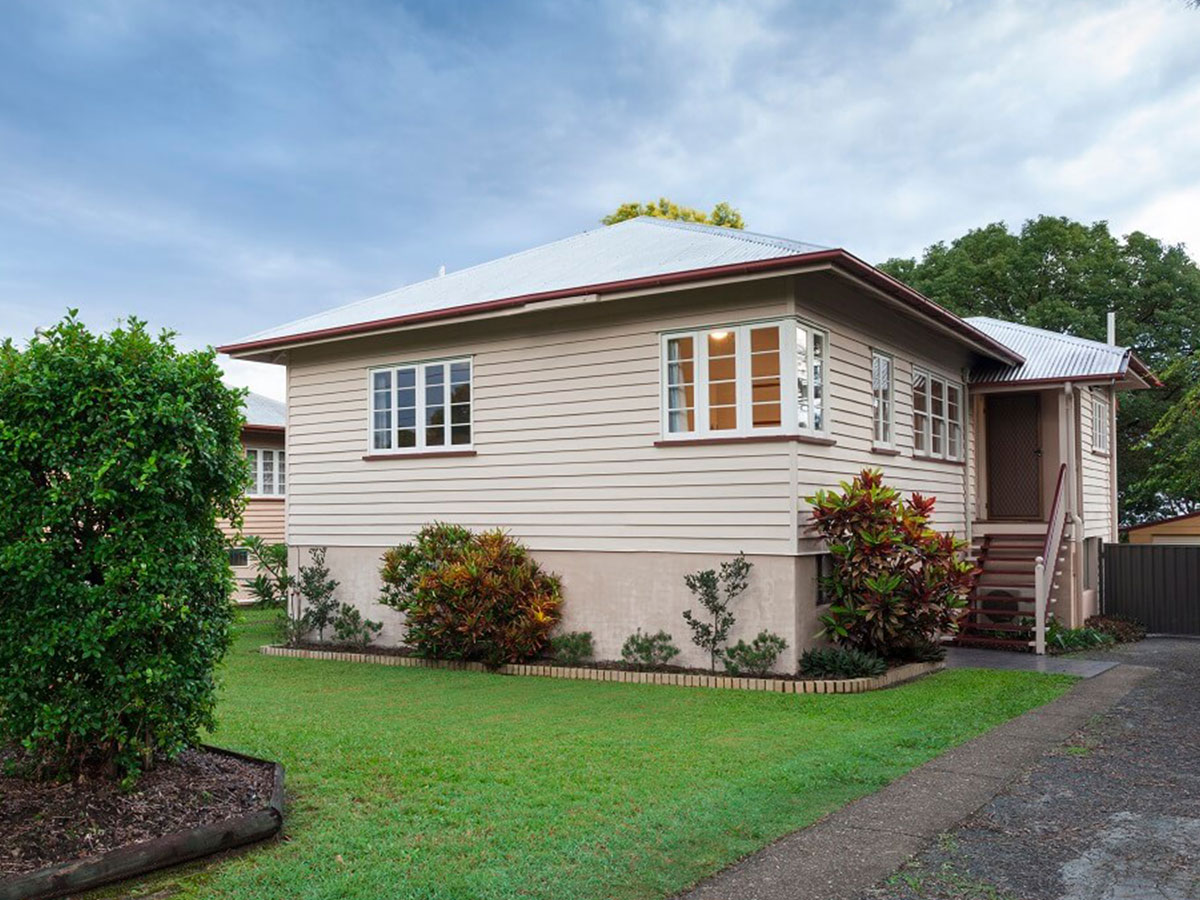
Minimum housing standards for Queensland rentals
11 standards required by law
calendar_month
When do these standards apply?
From 1 September 2023 — all new tenancy agreements must comply with minimum housing standards. From 1 September 2024 — the standards apply to all Queensland residential tenancies, including existing ongoing agreements. These standards are established under the Residential Tenancies and Rooming Accommodation Act 2008 (Qld).

The 11 Minimum Housing Standards

Your landlord or property manager must ensure these standards are met at the start of — and throughout — your tenancy.

home1
Weatherproof & Structurally Sound
The property must be weatherproof and structurally sound — meaning the building protects occupants from the weather and is safe to live in.
  • Roofing and windows must prevent water entering when it rains
  • Walls, ceilings and roof must be in good condition
  • No significant risk of structural collapse or subsidence
  • Free from significant dampness caused by structural faults
home_repair_service2
Good Repair — Safe Fixtures & Fittings
All fixtures, fittings and appliances provided with the property must be in good repair and not likely to cause injury through normal use.
  • All provided electrical appliances are functional and safe
  • No fixtures with sharp edges, instability or dangerous defects
  • Plumbing fixtures and fittings operate as intended
  • Applies to anything included as part of the tenancy agreement
lock3
Functioning Locks on External Doors & Windows
All external doors and windows that are accessible from outside the property without a ladder must have functioning locks or latches.
  • Every external door must have a working lock or latch
  • Ground-floor and accessible windows must have working latches
  • Excludes windows that can only be reached using a ladder
  • Each property is assessed individually for what is reasonable
pest_control4
Free from Vermin, Damp & Mould
The property must be free from vermin, damp and mould — unless the damp or mould was caused by the tenant's own actions.
  • No active infestation of rodents, cockroaches, ants or other pests
  • No structural dampness or water ingress causing mould
  • Structural mould (leaking roof, poor waterproofing) is the landlord's responsibility
  • Mould caused by tenant habits (e.g. not ventilating bathrooms) is the tenant's responsibility
air5
Adequate Ventilation
The property must have adequate ventilation throughout all rooms, allowing for comfortable, healthy living and preventing moisture buildup.
  • Each room must have sufficient airflow via windows, vents or mechanical systems
  • Bathrooms and kitchens must be ventilable to prevent steam and moisture accumulation
  • Ventilation must prevent dangerous concentrations of gases from appliances
light_mode6
Adequate Lighting
Every room in the property must have adequate natural or artificial lighting, allowing for its normal and safe use.
  • Each room must have sufficient natural light via windows or skylights, or
  • Functional artificial lighting must be provided if natural light is insufficient
  • Stairways, hallways and entry areas must have appropriate lighting
blinds_closed7
Privacy — Window Coverings
The property must include curtains or other window coverings in rooms where a tenant might reasonably expect privacy, such as bedrooms.
  • Bedrooms must have curtains, blinds or other privacy coverings
  • Living areas visible from the street should have appropriate coverings
  • Not required for windows already obscured by a fence, hedge, tree or other external feature
  • Coverings must provide adequate privacy when fully closed
bathroom8
Bathroom Privacy & Functional Toilet
The property must include bathroom facilities that provide privacy, and a functioning toilet connected to an approved waste disposal system.
  • Bathroom must have a door or other means of providing privacy
  • Toilet must flush correctly and be in good working order
  • Toilet must be connected to a sewer, septic tank or approved waste disposal system
  • Shower or bath must be functional
water_drop9
Adequate Plumbing, Drainage & Drinking Water
The property must have adequate plumbing and drainage, and provide hot and cold water that is suitable for drinking.
  • Hot and cold running water must be available throughout the property
  • Drinking water must meet health and safety standards
  • Drainage systems must be functional and not prone to regular blockages
  • All plumbing must be connected to an approved wastewater system
cooking10
Functioning Cooktop
If the property includes a kitchen, it must have a functioning cooktop. Ovens, dishwashers and other appliances are not specifically required by this standard.
  • At least one functioning gas or electric cooktop must be provided
  • All burners or elements on the cooktop must be operational
  • An oven is not required — only the cooktop
  • Applies only when a kitchen is included in the tenancy
If kitchen provided
local_laundry_service11
Laundry Fixtures
If a laundry is provided with the property, it must include the necessary fixtures for a functional laundry — including tap connections and adequate plumbing.
  • Cold water tap connections for a washing machine must be provided
  • Adequate drainage for laundry wastewater must be in place
  • A washing machine is NOT required to be supplied by the landlord
  • Applies only when a laundry space is included in the tenancy
If laundry provided

Landlord vs Tenant Obligations

The law sets clear obligations for both parties when it comes to minimum housing standards.

apartmentProperty Manager / Owner
Primary responsibility for meeting standards
Ensure all 11 standards are met at the start of the tenancy
Maintain the standards throughout the entire tenancy period
Carry out repairs within the required emergency timeframes when a standard is breached
Cannot increase rent during any period where a standard is being breached
Address structural issues that cause damp, mould, vermin or other breaches
Ensure all locks, plumbing, cooktops and fixtures provided are in working order
Provide and maintain adequate window coverings in appropriate rooms
personTenant
Responsible for use and timely reporting
Report any issue that may breach a standard promptly, in writing
Use the property in a way that doesn't cause standard breaches (e.g. ventilate bathrooms)
Keep the property reasonably clean and well-maintained
Allow access for inspections and repair works with the proper notice given
Address mould or damp that is caused by your own habits or actions
Not deliberately damage fixtures, fittings or appliances
Contact the RTA or QCAT if the landlord fails to address a breach

What To Do If a Standard Isn't Met

A breach of minimum housing standards is treated as an emergency repair under Queensland law. Here's what to do.

1
Report it in Writing
Notify your property manager or landlord in writing (email or text) as soon as you identify a potential breach. Describe the issue clearly and include photos if possible. Keep a copy for your records.
2
Allow Reasonable Time to Repair
Standard breaches are classified as emergency repairs and must be addressed promptly. Allow the landlord reasonable time to organise a tradesperson. For life-threatening emergencies, call 000 then contact Housit immediately.
3
Escalate If Unresolved
If the breach is not fixed within a reasonable time, you can contact the RTA for free dispute resolution, or apply to QCAT for a formal order requiring the landlord to remedy the breach.
buildSubmit a Maintenance RequestphoneCall 1800 955 180

Frequently Asked Questions

Minimum housing standards apply to all new tenancy agreements entered into from 1 September 2023. From 1 September 2024, the standards apply to all Queensland residential tenancy agreements — including existing ongoing tenancies.
Breaches of minimum housing standards are classified as emergency repairs under Queensland law. The landlord must address them urgently. If the issue is not fixed within the required timeframe, tenants can apply to the Queensland Civil and Administrative Tribunal (QCAT) for an order to have the issue remedied.
No. A landlord cannot increase rent during a period where a minimum housing standard is being breached. If a rent increase notice has been issued and a standard is not being met, the rent increase cannot take effect until the breach is remedied.
If mould arises from a structural issue — such as a leaking roof or inadequate waterproofing — the landlord is responsible. If the mould is caused by the tenant's actions, such as not ventilating a bathroom or leaving wet items around, the tenant is responsible for addressing it.
No. The laundry standard only requires the plumbing fixtures and tap connections for a washing machine — not the machine itself. Similarly, the kitchen standard only requires a functioning cooktop; an oven is not mandated.
Yes. Minimum housing standards apply to all residential tenancy types in Queensland, including general tenancies, rooming accommodation, and moveable dwellings (caravans and manufactured homes). For moveable dwellings, the standards apply to the dwelling and its site but not to shared site facilities such as communal kitchens or bathrooms.

Source: Residential Tenancies Authority — Minimum Housing Standards. This page is for general information only and does not constitute legal advice.

What Are Minimum Housing Standards?

Queensland's minimum housing standards are legal requirements that every rental property must meet. Introduced under Stage 2 of Queensland's housing reforms, they cover structural integrity, security, sanitation, water, and more — ensuring all renters have a safe, secure place to live.

When Do They Apply?

The standards applied to new tenancies from 1 September 2023, and to all Queensland residential tenancy agreements from 1 September 2024. Whether you're in a house, unit, apartment, rooming accommodation or moveable dwelling, your rental must comply.

Housit's Commitment

All properties managed by Housit are proactively assessed against minimum housing standards. We work with owners to address any shortfalls before and during tenancies, so you can rent with confidence knowing your home meets the legal standard.

Is your rental meeting the standards?

Report an issue through our maintenance portal or call us directly — we'll sort it promptly.